"All of that extra weight, all of the vibrations of all those feet year after year does put the mansion under stress." That's how Thomas Reinhart, Mount Vernon's director of preservation, described the problem crews spent three years solving. Not weather. Not age, exactly. Foot traffic.
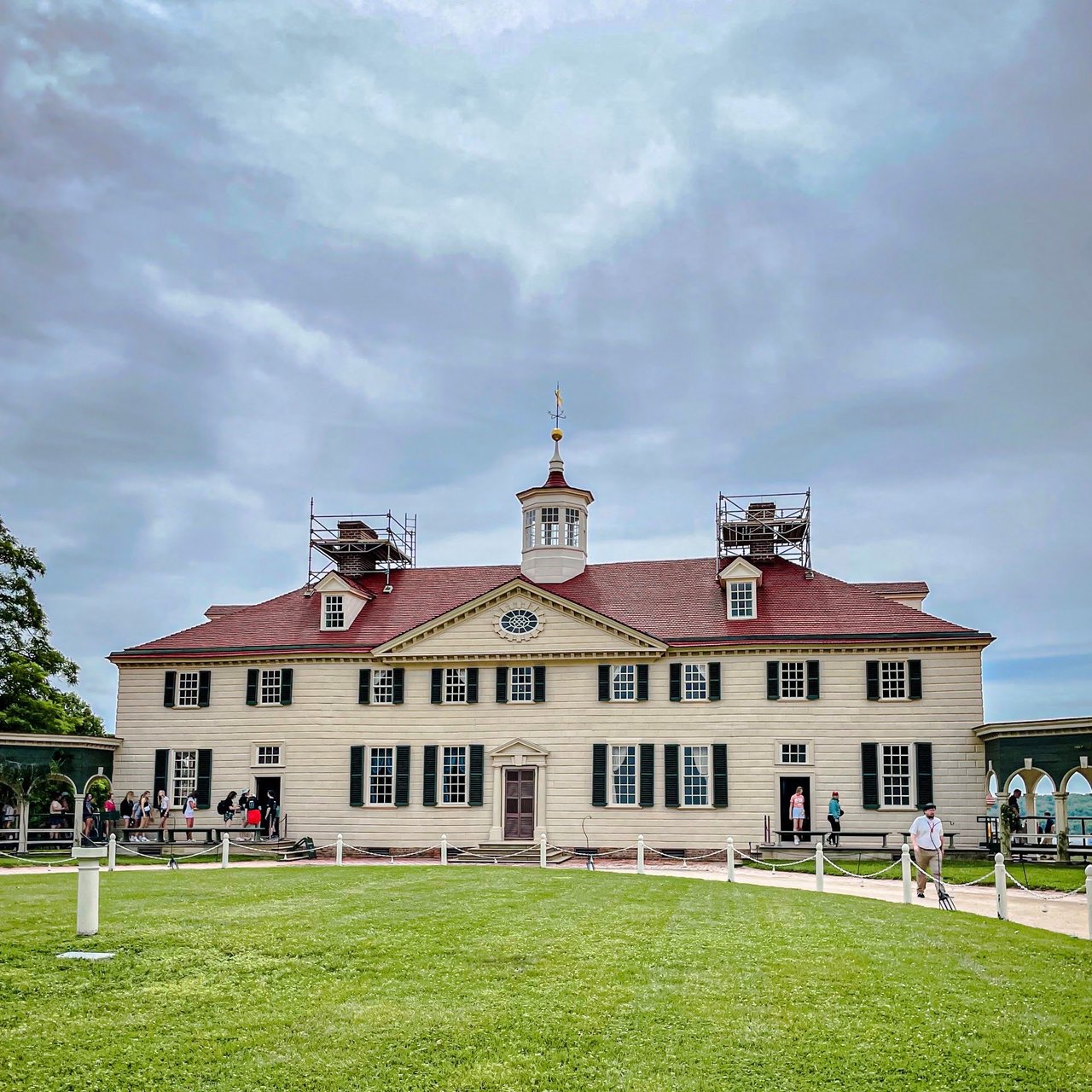
If you live in The Manors at Mount Vernon, you've watched the fix happen in real time. For three years, the north side of the mansion sat behind a work fence, and a project few neighbors could see the end of quietly reshaped the house next door. That fence came down in December 2025. The house is open again, room by room. But the thing that made the repair necessary in the first place, the volume of people walking through an 18th-century private residence, hasn't gone anywhere. If anything, this is the year it gets tested hardest.
Why a 1730s House Needed $40 Million
George Washington's mansion was built to hold a family and the household staff who ran it. Today it holds more than a million visitors a year, a number that has nothing to do with the house's original design and everything to do with why it needed intervention. Reinhart's team wasn't adding anything new. They were reinforcing framing, replacing failing drainage, and installing an HVAC system built to protect centuries-old plaster and wood from the humidity a million bodies bring in with them every year.
The work turned up things nobody was looking for. Carpenters found an 18th-century fork with a green-stained ivory handle hidden behind a wall in Martha Washington's closet, a piece that matches cutlery orders Washington placed in the 1760s and 1770s. In the cellar, archaeologists pulled up 35 glass bottles, 29 of them still intact, filled with cherries and berries preserved since before the Revolutionary War. Some of the new structural timber came from trees grown from acorns collected off the same trees Washington's crews originally felled to build the house in the 1730s. The restoration wasn't cosmetic. It was closer to a full-body checkup on a building that had been quietly failing for a century.
The Deadline That Rushed the Finish
Here's the detail that changes how you should think about this fall. Mount Vernon didn't restore the mansion on a leisurely timeline. Leadership tied the completion date explicitly to one thing: getting the house ready "so that it will be stronger than ever when we celebrate America's 250th birthday" in 2026. That's not a coincidence of scheduling. It's an admission that this year, of all years, was expected to bring the heaviest traffic the estate has faced since the project began, and the mansion needed to be structurally ready for it before the anniversary crowds showed up.
Which means the newly reinforced house isn't easing back into normal operations. It's stepping directly into the busiest calendar Mount Vernon has built in years, timed to a national anniversary, right as its own repairs are still finishing. The cellar, where those preserved cherry bottles turned up, remains off-view while work there continues through fall 2026. The visible restoration is done. The full project isn't.
What That Means for the Road You Already Use
The most immediate way this shows up for neighbors isn't inside the mansion. It's on the George Washington Memorial Parkway.
On Sunday, September 13, the 11th annual George Washington Patriot Run closes both lanes of a five-mile stretch of the Parkway between the GW Parkway Circle and West Boulevard Drive, from roughly 7 to 11 a.m. The 10-miler starts at 7:15, the 5K at 7:30, and runners finish with the mansion in view before touring the interior on their race bibs. A free shuttle runs between Alexandria and the estate that morning for anyone without a car in the closure zone, and on-site parking is limited to runners who buy a pass during registration, with no additional lot parking available race day. If your Sunday routine involves that stretch of the Parkway, September 13 is the one morning worth routing around rather than discovering the closure at the barricade.
The Rest of the Fall Calendar
Beyond the race, the fall lineup is denser than the estate's usual rhythm, and most of it doesn't require a museum ticket to enjoy.
Date | Event | What it means if you live nearby |
|---|---|---|
Sept 5 & 12 | George Washington Whiskey Tastings (Virginia Spirits Month) | Small-scale, estate parking lot busier those Saturdays |
Sept 12 | Fall Plant and Garden Sale | Estate admission isn't required, members get 10% off, worth a stop even for a quick errand |
Sept 13 | George Washington Patriot Run 5K/10-Miler | GW Parkway closed both lanes, 7 to 11 a.m., plan an alternate route |
Oct 9-11 | Fall Wine Festival | Live music on the East Lawn overlooking the Potomac, expect heavier weekend estate traffic |
None of this is unusual for a working historic site. What's unusual is the concentration. A reopened mansion, a national anniversary, and a fall calendar built to match all landed in the same run of five fall weekends, and the Parkway closure on the 13th is the one date that reaches past the estate gates and into your actual commute.
Living Next to a Landmark Still Mid-Repair
The scaffolding is gone, and that's genuinely good news if you've spent three years watching it from your car. But the project underneath it isn't finished, and the year it reopened into is the one Mount Vernon itself flagged as the heaviest test the restored structure will face. For neighbors, that mostly means paying attention to a handful of specific weekends rather than treating the whole season as business as usual. Check the Parkway before you plan a Sunday morning errand in mid-September. Swing by the plant sale without paying for admission. Know that the cellar crews are still down there, working through the part of the house the public hasn't seen yet.
Living next to a national historic landmark means these things end up on your calendar whether you asked for them or not. Most years, that's a quiet upside: a walking trail, a wine festival, a whiskey tasting on a Saturday afternoon. This year it comes with one road closure worth circling in advance.
If you're thinking about what it's like to actually live in this pocket of Fort Hunt, day to day, closures and all, the Lauren Kolazas Group knows this stretch of the Parkway as well as anyone. Let's Connect.