If you live in River Bend Estates, you already know the stretch of towpath at the end of your street better than any brochure could describe it. You know where the roots have pushed up through the asphalt near the wetlands, where the geese like to loiter in October, and which bend in the river turns gold first when the maples change. What you may not know is that the same trail just won a national award, and the reason it won has less to do with the scenery you already take for granted and more to do with who keeps it standing.
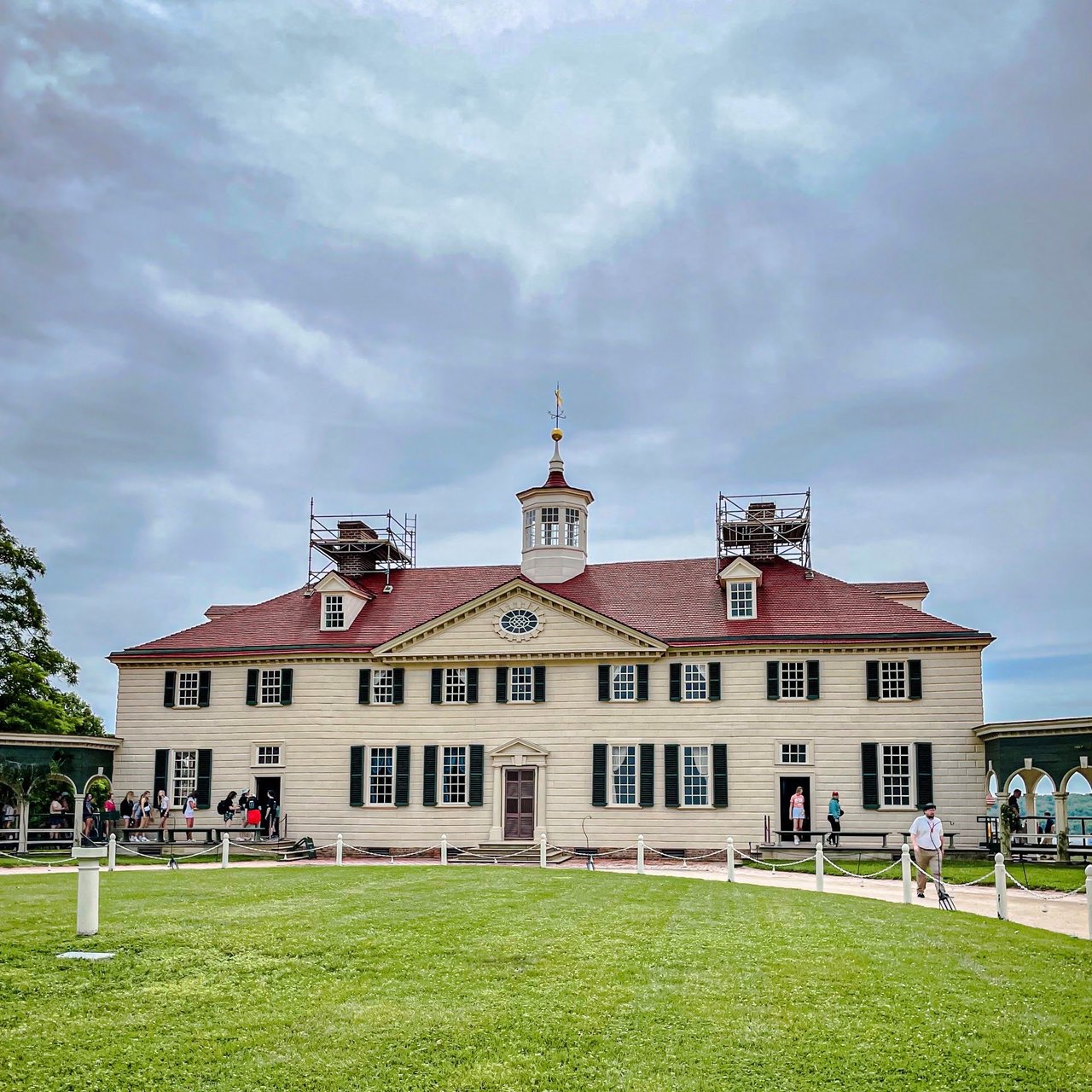
On August 20, 2026, the Rails to Trails Conservancy announced that the Mount Vernon Trail is the newest inductee into its Hall of Fame, the honor the organization has awarded to the country's best multiuse trails since 2007. The Mount Vernon Trail won a public vote that ran from August 5 through August 16, taking 58 percent of ballots cast against two other finalists: the 92-mile Ohio and Erie Canal Towpath Trail running from Cleveland to New Philadelphia, and the Historic Battlefield Trail through Mexican-American War sites in Brownsville, Texas. For a trail that tops out at 18.5 miles, running from Theodore Roosevelt Island in Arlington down to George Washington's Mount Vernon estate, beating a 92-mile canal towpath is not a small thing.
The Part of the Story Most People Skip
Most coverage of the win has led with the obvious: river views, proximity to the Washington and Lincoln Memorials across the water, the fact that the trail passes through Old Town Alexandria and threads past Dyke Marsh Wildlife Preserve, one of the largest freshwater tidal marshes left in the National Park System. All of that is true, and none of it is why the trail actually won.
Rails to Trails Conservancy judges its Hall of Fame nominees on a specific list of criteria: scenic value, high use, trail amenities, historical significance, accessibility, and two categories that get less attention in press coverage, excellence in management and maintenance, and community benefit. Those last two are where the Mount Vernon Trail's real case was made, and they trace back to a story that started decades before anyone thought to nominate it for anything.
In the early 1970s, two Alexandria residents, Ellen Pickering and Barbara Lynch, organized a grassroots push for a safe place to walk and bike along the river. Volunteers built the first segment, roughly 4.5 miles of it, by hand in 1971. The trail we walk today grew from that one volunteer-built stretch into 18.5 miles serving an estimated 1.4 million users a year, according to National Park Service data.
Here is the claim worth sitting with: the trail did not stop depending on volunteer labor once it became a real park amenity. It still runs on it.
Who Actually Fixes the Potholes
The Friends of the Mount Vernon Trail formed in September 2018 as an official partner of the George Washington Memorial Parkway, and since then the group has logged more than 300 volunteer events with over 7,000 participants. They host work sessions nearly every Saturday, rain or shine, with no cap on group size. One event drew 160 people. Volunteers have ranged in age from 2 to 85.
What they actually do on a given Saturday is not glamorous, and that is the point. It is the unglamorous work that keeps 1.4 million annual users moving safely:
- Pothole repair and bump removal on the paved surface
- Replacing rotted bridge boards and pressure washing bridges that get slick after rain
- Trail edging and trimming vegetation that creeps into the path
- Pulling invasive species, bush honeysuckle, English ivy, and kudzu, that choke out native trees and the food sources local wildlife depend on
- Storm and snow cleanup after major weather events
This is the same pattern Pickering and Lynch started in 1971, just at a larger scale. A resident-led group still does the physical labor that keeps a federally managed trail usable, which is exactly the kind of community stewardship the Rails to Trails Conservancy singled out when it made its pick. The trail did not win despite being unglamorous and volunteer-run. It won partly because of it.
What This Looks Like From River Bend
For anyone walking the trail from River Bend Estates, the honor is not abstract. It is describing a specific two-mile stretch you already use to get to the pool, the park, or a weekend ride toward Old Town.
North of the neighborhood, toward Old Town, the trail passes Jones Point Park, home to the oldest surviving original boundary marker of the District of Columbia and Virginia's only remaining riverine lighthouse, both still standing at the water's edge. From there, the path threads into the developing Capital Trails Network, a regional system meant to eventually link more than 1,000 miles of trail across Virginia, Maryland, and D.C. As of this year, that broader network is just over half complete, which means the segment running past River Bend Estates is already a finished piece of something much larger still being built around it.
The eagle sightings that regular trail users mention are not exaggeration. Multiple stretches near the river, particularly the section running from Turkey Run south past the wetlands, are known nesting habitat, and it is common enough to see a bird of prey working the treeline that longtime walkers barely slow down to point it out anymore.
The Mount Vernon Trail also picked up a second, quieter honor this year: the Public Lands Alliance named it Trail of the Year in February. Two national recognitions inside the same year is not typical, and it suggests the volunteer maintenance model behind the trail is getting noticed well beyond Alexandria.
What's Actually Worth Doing This Fall
If the Hall of Fame news makes you want an excuse to use the trail more deliberately rather than just as a commute to the pool, a few things line up well with the season.
The Friends of the Mount Vernon Trail run their volunteer work sessions on the trail nearly every Saturday year-round, and they layer in a few signature events across the calendar, a Tulip Walk in spring, a Bat and Firefly Walk in summer, and a Beaver Moon Walk built around the fall's full moon. Specific dates are posted on their site as each one approaches, and joining one is a low-effort way to see a stretch of trail you have walked a hundred times through the eyes of the people who actually keep it standing.
At the trail's southern end, Mount Vernon hosts its Fall Wine Festival October 9 through 11, an after-hours event on the estate's East Lawn overlooking the Potomac, with samples from Virginia wineries and live music. It is a short ride or drive from River Bend Estates and puts you at the same riverbank the trail has followed the entire way down.
None of this changes what the trail has always been to the people who live along it: a place to walk the dog, get a run in before work, or watch the light change over the water in October. What changed this year is that the rest of the country now agrees it is worth paying attention to, and the reason they agree has less to do with the view and more to do with the fact that this community has been quietly showing up with tools and gloves for more than fifty years to make sure it stays that way.
If you are curious about River Bend Estates, Fort Hunt, or any of the neighborhoods along this stretch of the Potomac, Lauren Kolazas and her team spend a lot of time on this trail too, and are always glad to talk community, not just real estate. Let's connect.